
Throwing Stones at No one pt.2

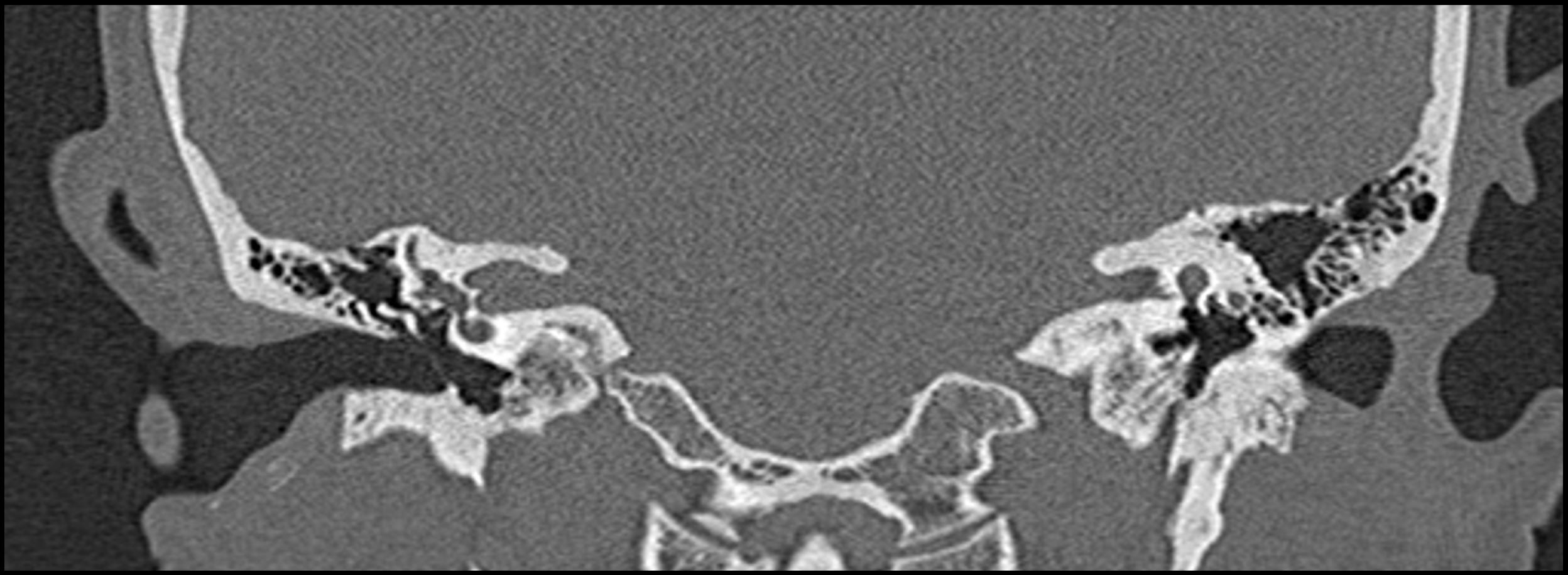
Due to my dehiscence, over the last fifteen years I’ve found it increasingly difficult to take part in any group soundwalks*. Being in a situation whereupon I stop and listen with others in relation to whatever is happening at that moment (if someone suddenly says, ‘look up!’, or during a silent group soundwalk, people all look up at a certain spot, or I have to try and keep in step with others as we both walk and listen) has become an increasingly precarious, difficult, and sometimes embarrassing, venture.
*I’ll be writing more about this in due course, but due to homeopathic remedies this is no longer so
For me, soundwalking could be defined as walking and listening in cooperation. If such acts don’t cooperate, due, in this instance, to dehiscence, for me it then becomes a matter of finding ways to help them, and by extension myself, to do so, or looking again at what I had thought was competition, which we might here call struggle, to see if we can be otherwise. This in turn has led to a revaluation of such relationships, not as superficial dichotomisations, but part-wholes of a generatively alchemical coincidence and reciprocity of opposites.
There are myriad ways of placing such multiplicitous processes as competition and cooperation together, holding them to the extent that no one dominates, but simply moves and continues to move, to correspond, creating and suffusing their relations whilst also remaining mindful of who may emerge. Lucretius, and his understanding of what simulacra, seems a good point in which to briefly enter and then leave. Simulacrum (which I understand to be energy, heated breath of world who rises and falls, departs and returns) concealed the shock and motion through which they were produced, lending credence to sensible and perceptual stability, and yet they could also stimulate perceptual, if not sensible, inference, enabling a register in which world is held together whilst coming apart. Going into this essay, a presence of Lucretian simulacra will be implicit, joining and separating cooperation and competition in order to see who else might emerge, but also to pay attention to whom I’d missed, and who was already there.
This has led to an ongoing cultivation of alchemical vocabulary premised on flux and permeation, on self-contained and wildly spooling individuation, on energy as matter and matter as energy. A vocabulary who walks with language (language who walks).
It follows that walking is not here premised on a hierarchy of tacit expectations of ability, with regard to gate, posture, tone... but assemblage and slow movement; to such being as are felt to reside in (perhaps I should also say return to) the vestibular labyrinth of the inner ear, a place that certain psychologists believe coevolved with both the emergence, development and drift of superego in infants, which, once again, I will return to.